November 25, 2026
The landscape of property protection has evolved tremendously with the integration of advanced technologies. For homeowners and businesses alike, modern security solutions play a pivotal role in reducing emergency response times, thereby enhancing community safety and resilience. Understanding this dynamic is integral to appreciating how professional setups transform crisis management. Beyond simple surveillance, a professional security system installation creates a comprehensive network of information relaying that accelerates the arrival of first responders. As we delve into the specifics of these technologies, it becomes clear that integrating automated defenses with emergency services is critical in today's fast-paced world.
1. Understanding the Role of Security Systems
1.1 Evolving Past Basic Locks and Alarms
Over the decades, protective frameworks have transitioned from basic door locks to sophisticated networks featuring advanced digital tools. Initially, defenses were limited to manual alarms and physical barriers that required human intervention to alert authorities. Today’s setups are proactive rather than merely reactive, identifying potential threats before they escalate. Investing in a modern security system installation provides a crucial layer of protection that reduces both the risk and the overall impact of sudden emergencies.
Modern infrastructures are built on innovative frameworks that support continuous monitoring and rapid information sharing. Whether safeguarding a family residence or a commercial facility, properties require adaptable, reliable safety measures. Experienced, trained technicians design customized platforms that stay ahead of multifaceted threats, ensuring protective strategies remain at the forefront of crisis response initiatives.
1.2 Integrating Core Components for Rapid Detection
Effective protective setups rely on several key components working in synergy. Central to this architecture are high-definition surveillance cameras that offer round-the-clock monitoring, complemented by advanced entry sensors, motion detectors, and control panels. When a well-planned security system installation connects these sensors to real-time alerting mechanisms, any detected threat is immediately communicated to monitoring stations or mobile devices for rapid action.
Low-voltage wiring and access control mechanisms also form critical elements, ensuring reliable connectivity while restricting unauthorized entry in sensitive areas. By utilizing proven platforms from industry leaders like DMP, Alarm.com, Digital Watchdog, and Uniview, professional technicians seamlessly integrate cameras, alarms, and access controls to eliminate communication bottlenecks. This interconnected infrastructure optimizes response times and provides communities with a streamlined approach to safety and crisis management.
1.3 Prioritizing Speed During Critical Emergencies
In emergency situations, every second counts, and the speed of the intervention often means the difference between life and death. Quick emergency responses are crucial not only for addressing immediate dangers but also for mitigating cascading risks. Rapid alert mechanisms serve as the first line of defense, ensuring that first responders receive swift, informed notifications that drastically cut the delay between incident detection and dispatch.
Expeditious communication directly saves lives and minimizes property damage. For example, the faster a fire department is alerted to smoke or heat, the quicker crews can contain a blaze. Real-time alerts are especially vital for preserving public safety across both residential neighborhoods and commercial districts. According to The Zebra, 46.9% of people don't have a home security system installed in their home, highlighting a significant gap in domestic preparedness. Closing this gap through widespread security system installation can dramatically improve community-wide emergency outcomes and lessen the psychological trauma experienced during crises.
1.4 Leveraging Real-Time Monitoring and Alerts
Real-time monitoring is a cornerstone of rapid emergency intervention. Depending on their needs, property owners can choose between self-monitoring via intuitive smartphone apps or 24/7 professional monitoring for continuous oversight and rapid emergency dispatch. Even during power outages, built-in battery backups and cellular communication modules keep essential functions running and continue sending alerts without Wi-Fi.
The true strength of real-time monitoring lies in its precision and dependability. Properly calibrated sensors and cameras discern genuine threats from routine activity, preventing false alarms while keeping emergency teams focused on verified incidents. By optimizing data flow and equipping decision-makers with accurate, immediate intelligence, continuous monitoring acts as a vital linchpin in modern emergency management.
1.5 Connecting Directly with First Responders
Seamless communication between protective networks and public first responders is essential for optimizing field operations. Modern connected platforms allow verified alarm signals and live status updates to reach dispatchers and emergency personnel without delay. Knowing the exact zone triggered inside a home or commercial building allows responders to formulate effective strategies and deploy resources efficiently before arriving on scene.
Live mobile video feeds and instant event notifications also empower property owners to share critical visual details with authorities during an active emergency. A forward-thinking security system installation prioritizes strong connectivity, proper device calibration, and dependable performance, strengthening the alliance between local residents, businesses, and emergency services.
2. Exploring Key System Types and Their Impact
2.1 Deploying Surveillance Cameras for Visual Verification
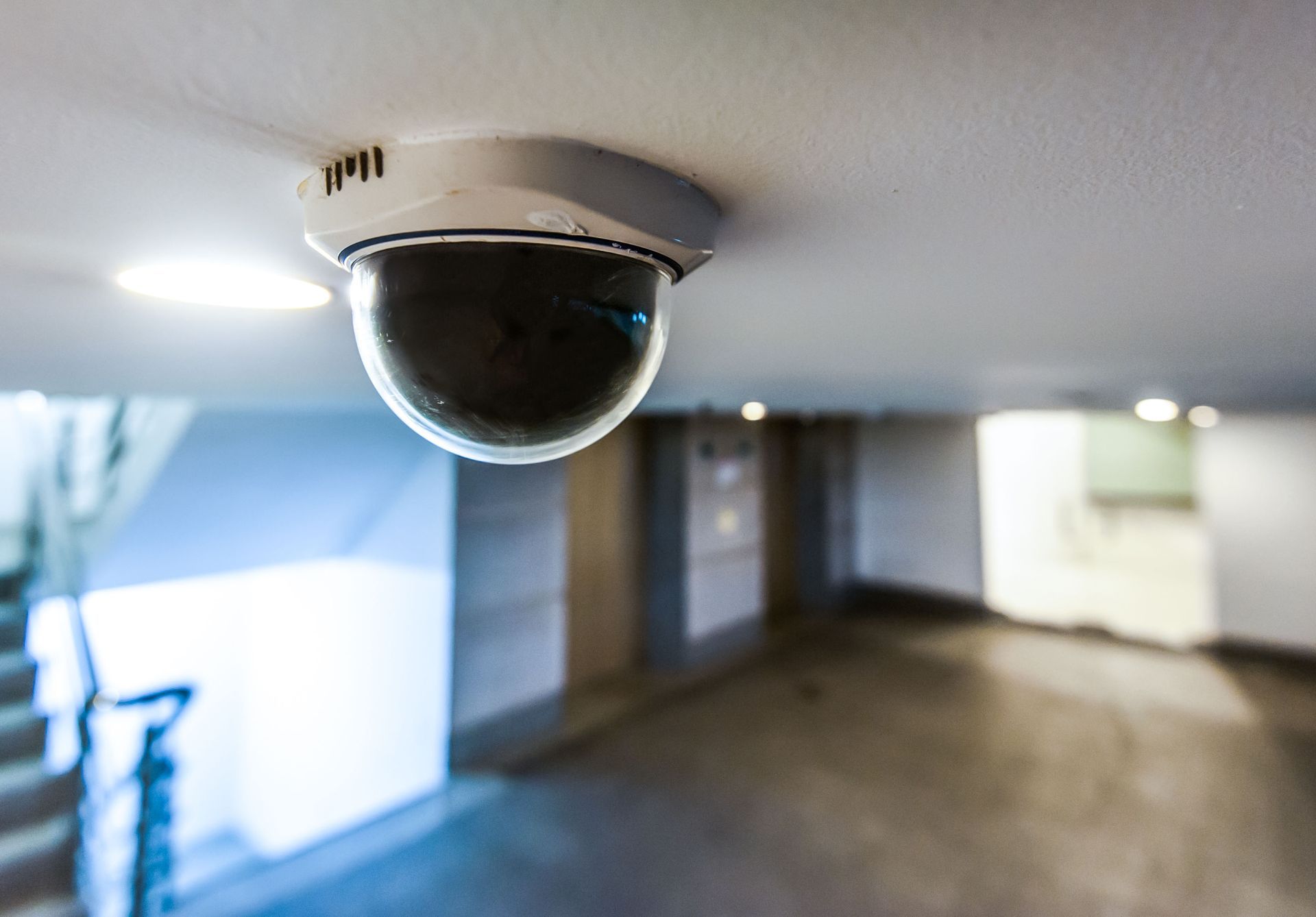
Surveillance cameras are ubiquitous in contemporary safety frameworks, featuring high-definition resolution, night vision, and smart motion detection. Using trusted equipment from manufacturers like Digital Watchdog and Uniview, modern CCTV systems allow footage to be streamed and reviewed remotely from a phone or computer. Visual verification allows property owners and monitoring agents to confirm an active threat immediately, helping law enforcement prioritize verified emergencies.
Beyond accelerating dispatch, visible cameras deter criminal activity simply by their presence, dissuading perpetrators before a breach occurs. When incidents do happen, stored footage provides vital evidence that helps local authorities solve security breaches and apprehend suspects quickly. Proper camera placement eliminates blind spots and ensures reliable coverage day and night.
2.2 Utilizing Alarm Systems for Instant Notifications
Alarm systems serve as the immediate vocal trigger of any protective setup. Utilizing door and window entry sensors, glass-break detectors, and interior motion sensors, these systems instantly broadcast alerts when a breach occurs. During a professional security system installation, technicians configure DMP control panels and Alarm.com interfaces to trigger local sirens, send instant mobile push notifications, and alert monitoring centers simultaneously.
While alarms provide crucial peace of mind and rapid notification, maintaining reliability is critical to preventing false dispatches. Professional calibration, strategic sensor placement, and routine system updates ensure that emergency services are summoned only for genuine threats, preserving responder bandwidth and trust.
2.3 Implementing Access Control for Quick Clearance
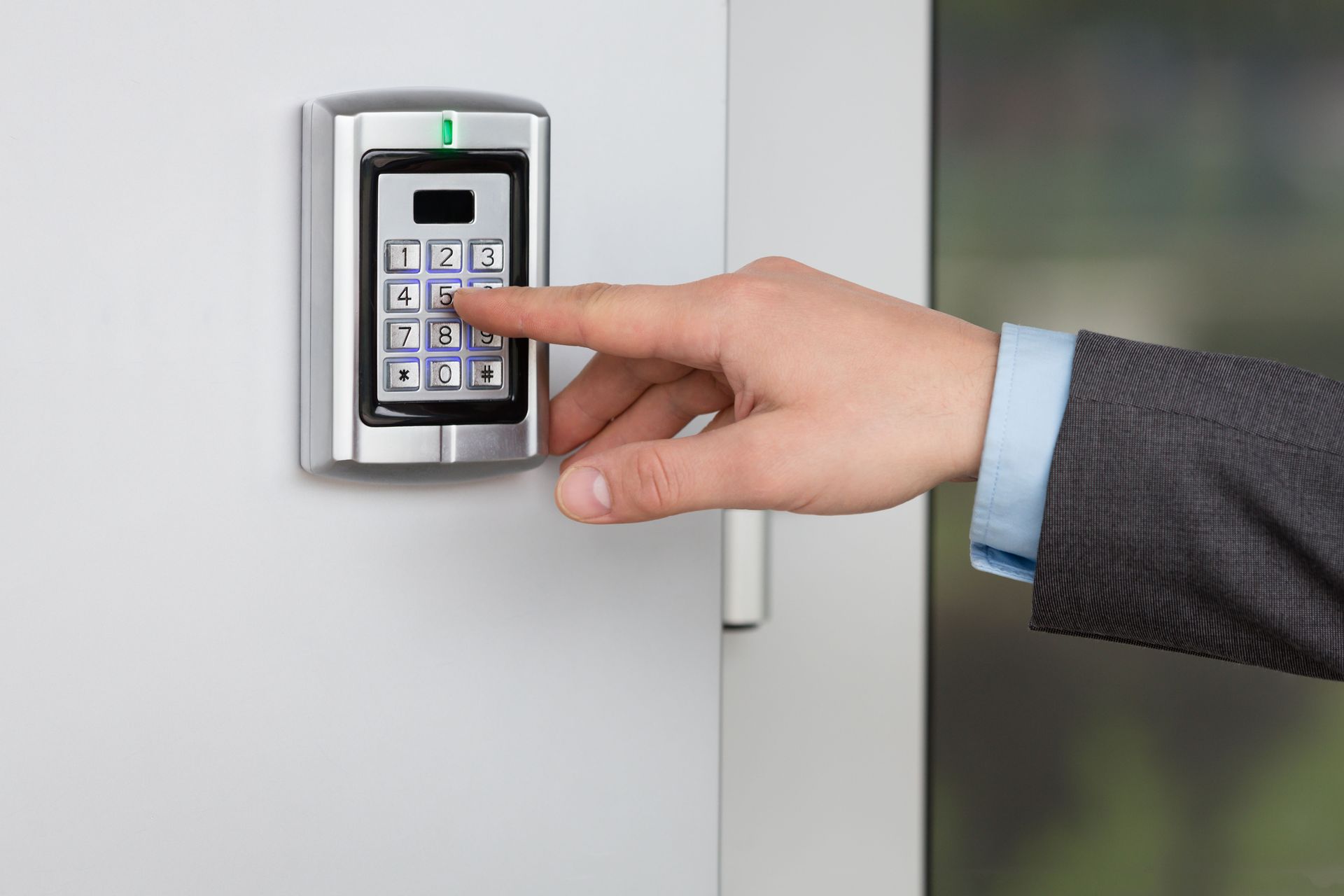
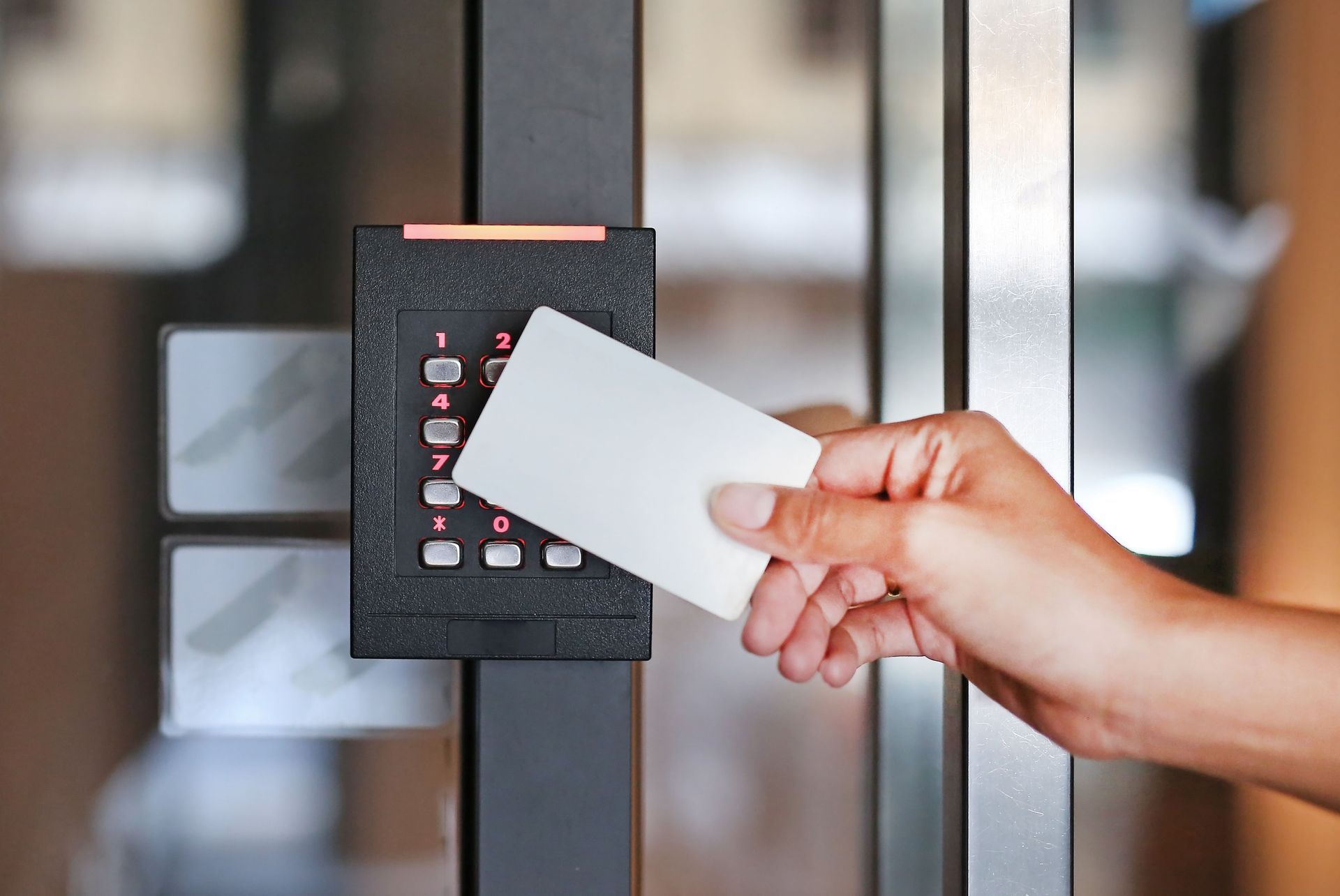
During an emergency, modern access controls streamline evacuation and intervention protocols. Systems can be configured to allow rapid occupant egress while enabling authorized personnel or first responders to unlock doors remotely or gain immediate clearance. A strategic security system installation incorporates reliable low-voltage wiring and properly integrated door hardware so emergency personnel never waste precious minutes navigating locked entryways.
2.4 Integrating Smart Technologies and Home Automation
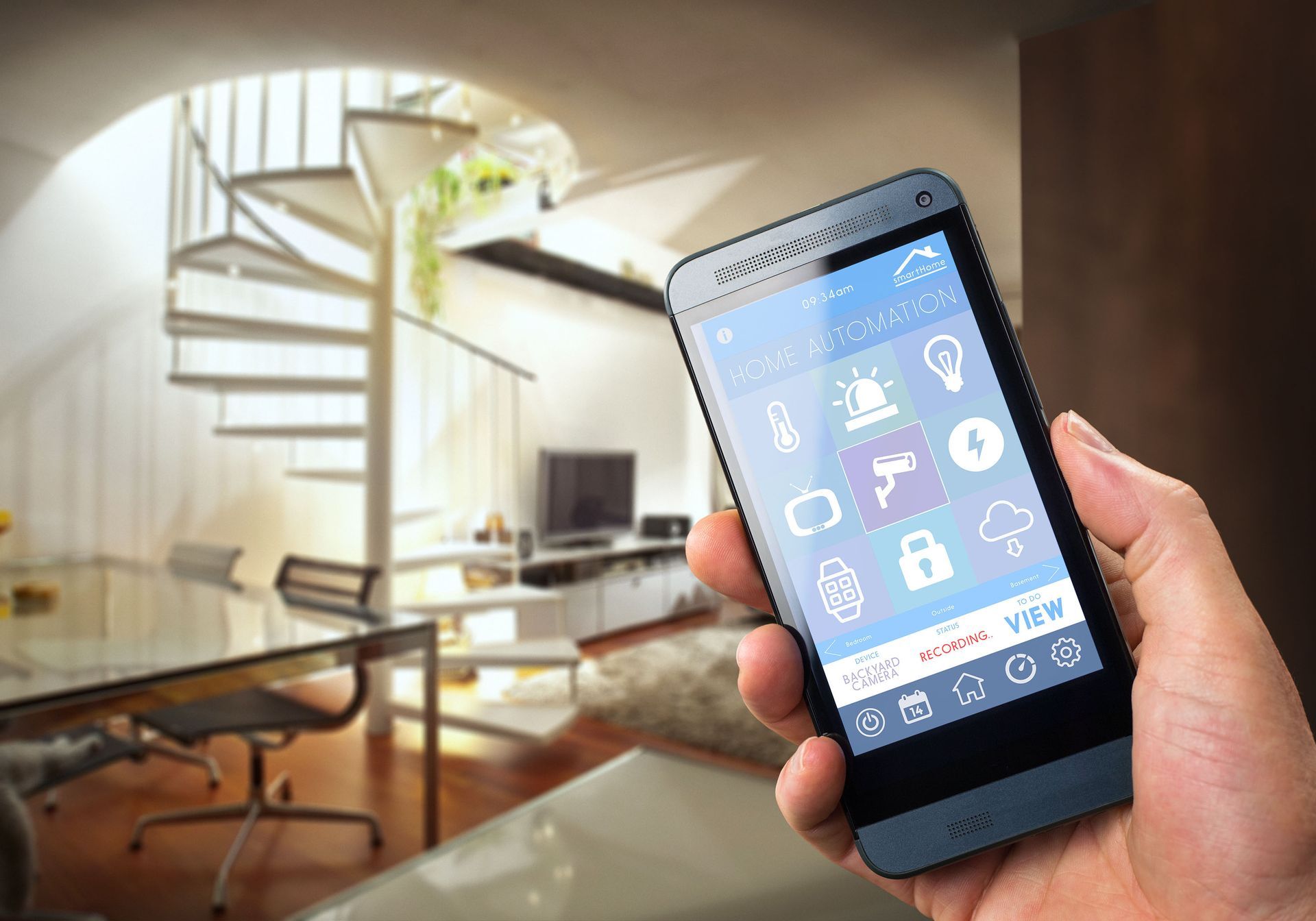
Smart home automation transforms isolated hardware into a cohesive, intelligent ecosystem. By combining security, smart locks, lighting, and climate control into a single mobile app or voice-controlled hub, property owners gain complete situational awareness from anywhere. Automated rules can turn on exterior lights when motion is detected, lock doors automatically when the system is armed, or adjust thermostats to reduce monthly energy bills.
When planning a smart security system installation, balancing convenience with strong cybersecurity is paramount. Professional technicians configure encrypted communications, secure login credentials, and multifactor authentication while verifying Wi-Fi coverage so every connected device operates safely and reliably.
Slashing emergency response times requires combining proven hardware with expert craftsmanship and interconnected smart technology. From foundational low-voltage wiring and surveillance cameras to DMP alarm panels, access control, and fire detection, every layer works together to turn critical minutes into mere seconds. By prioritizing a professional security system installation, homeowners and businesses can close dangerous preparedness gaps, protect property, and safeguard lives when emergencies strike. Call S.O.S. Security, LLC today for more information.