July 21, 2026
Securing a commercial building or facility requires far more than just locks on the doors, especially as businesses face increasingly sophisticated security challenges and the need for more flexible, manageable access solutions. Traditional lock-and-key systems often fall short when it comes to tracking who enters a facility, managing access for multiple employees, or quickly responding to security concerns. An access control system addresses these limitations, offering businesses a modern, technology-driven approach to managing building security with far greater precision and flexibility. This growing recognition of the value these systems provide is reflected in the industry's substantial growth. According to Research Nester, the global access control market was valued at over $12.8 billion in 2024 and is projected to grow at an annual rate of more than 9%, reaching over $39.24 billion by 2037, demonstrating just how significantly businesses are investing in this technology. Below, we'll explore several compelling reasons to consider installing an access control system in your building.
1. Enhanced Overall Security
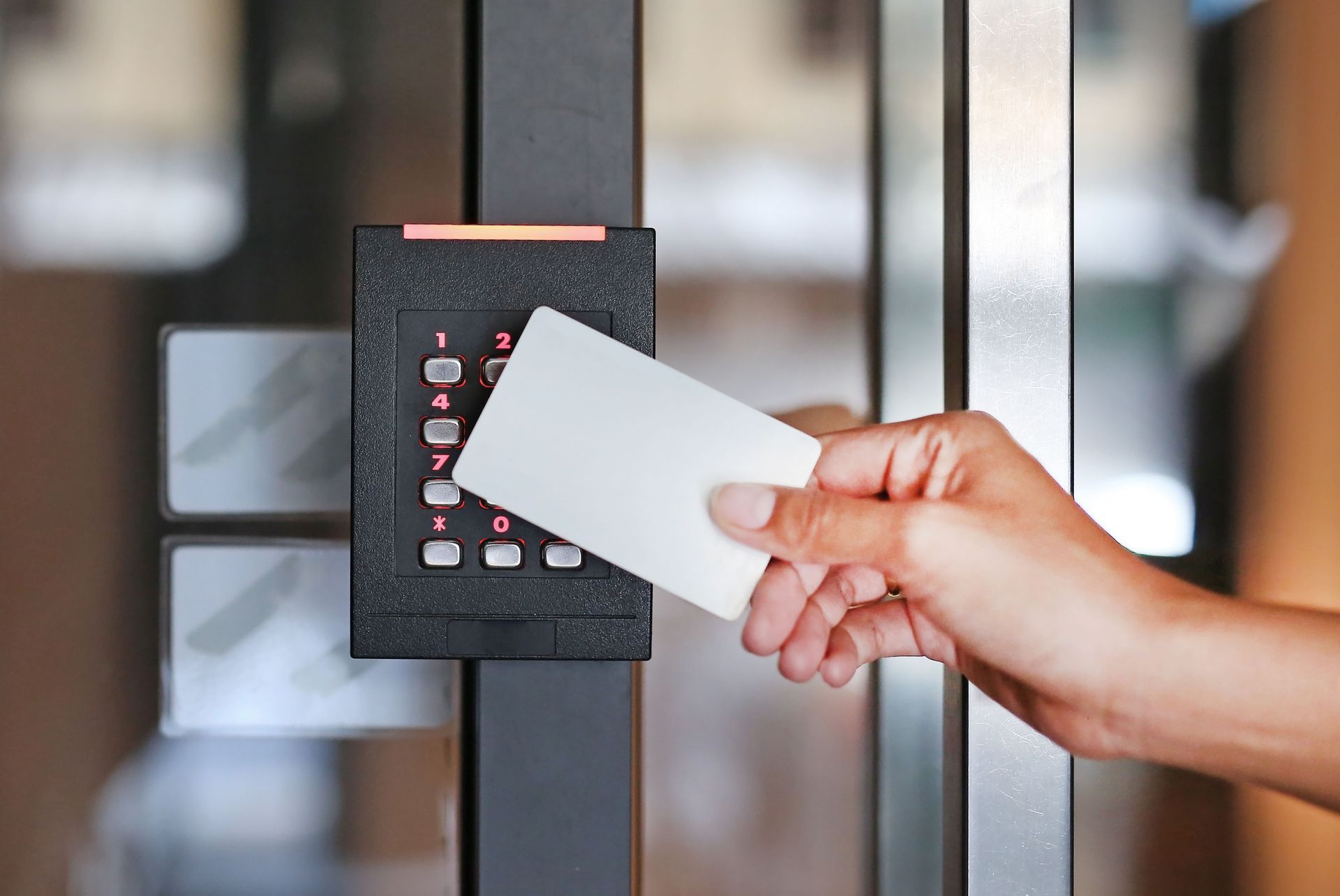
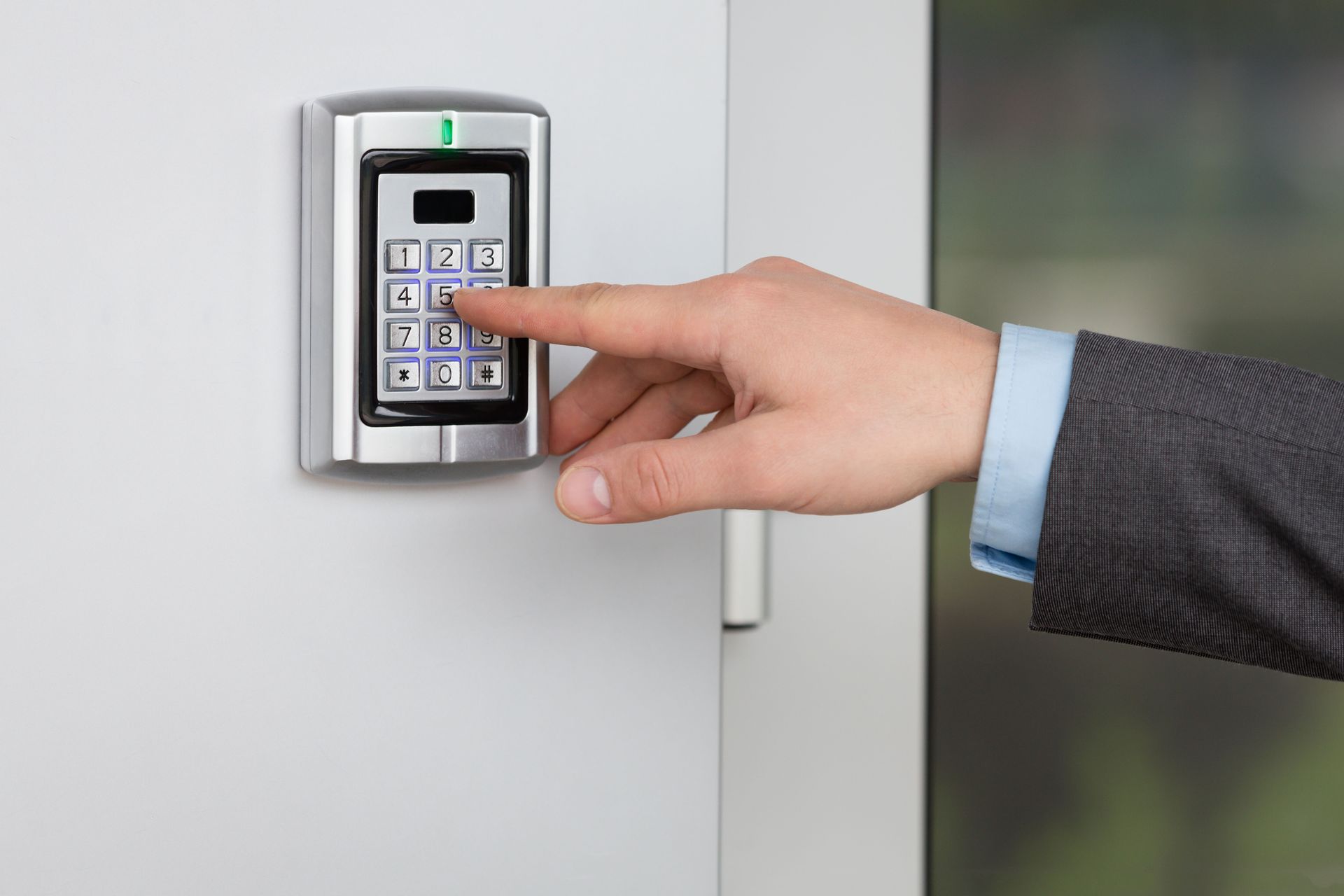
The most fundamental benefit of installing an access control system is the significantly enhanced security it provides compared to traditional lock-and-key methods. These systems allow businesses to restrict entry to authorized individuals only, using methods like keycards, key fobs, PIN codes, or biometric verification rather than relying on easily duplicated physical keys. This heightened security helps prevent unauthorized access from former employees, lost keys, or individuals attempting to gain entry without proper authorization. Unlike traditional locks, which require costly rekeying if a key is lost or an employee leaves the company, access control systems allow for instant deactivation of specific credentials without affecting the entire building's security. This enhanced, more precise security approach represents a significant upgrade over traditional methods that many businesses have relied on for decades.
2. Detailed Access Tracking and Reporting
An access control system provides valuable tracking capabilities, recording exactly who enters a building or specific area, along with the precise time of each entry. This detailed reporting creates a comprehensive audit trail that can prove invaluable for investigating security incidents, verifying employee attendance, or simply understanding building usage patterns throughout the day. Unlike traditional locks, which offer no way to track who has accessed a space, this data-driven approach gives building managers genuine visibility into facility access patterns. This tracking capability also proves useful for compliance purposes in industries with strict regulatory requirements regarding facility access documentation. This level of detailed oversight represents a significant advancement in how businesses can monitor and understand access to their facilities.
3. Flexible, Customizable Access Levels
Access control systems allow businesses to establish different access levels for different employees or areas within a building, rather than granting universal access to everyone with a key. This flexibility means sensitive areas, such as server rooms, executive offices, or inventory storage, can be restricted to only those employees who genuinely need access, while common areas remain accessible to the broader staff. This customization helps businesses implement more thoughtful, risk-appropriate security measures throughout their facility, rather than relying on an all-or-nothing approach to building access. Access levels can also be easily adjusted as employee roles change, without requiring the physical rekeying that traditional lock systems would demand. This granular control over facility access represents one of the most practical, valuable features access control systems offer modern businesses.
4. Streamlined Visitor and Contractor Management
Many modern access control systems include features specifically designed to manage temporary access for visitors, contractors, or vendors, streamlining what can otherwise be a cumbersome security process. These systems can generate temporary credentials that automatically expire after a set period, ensuring visitors have appropriate access without requiring manual key distribution or collection afterward. This capability significantly reduces the administrative burden associated with managing temporary access, while still maintaining appropriate security oversight throughout the visit. For businesses that regularly host contractors, delivery personnel, or client visitors, this streamlined approach offers meaningful time savings alongside improved security management. This visitor management functionality adds practical, everyday value beyond the core security benefits an access control system provides.
5. Elimination of Costly Rekeying Expenses
Traditional lock systems require expensive rekeying whenever keys are lost, stolen, or when an employee with building access leaves the company, creating an ongoing, unpredictable expense for many businesses. An access control system eliminates this recurring cost entirely, since lost or compromised credentials can simply be deactivated within the system without requiring any physical hardware changes. This immediate deactivation capability also closes potential security gaps far more quickly than traditional rekeying processes, which often involve scheduling, coordination, and physical labor to complete. Over time, this elimination of rekeying expenses can result in significant cost savings, particularly for businesses with higher employee turnover or larger facilities with numerous access points. This financial benefit adds a practical, cost-conscious dimension to the broader security advantages these systems provide.
6. Integration With Broader Security Infrastructure
Modern access control systems often integrate seamlessly with other security measures, including security cameras, alarm systems, and building management software, creating a more comprehensive, coordinated approach to overall facility security. This integration allows for more sophisticated security responses, such as automatically triggering camera recording when specific doors are accessed or coordinating alarm systems with access credential verification. This interconnected functionality provides building managers with a more complete, unified view of their facility's security status, rather than managing multiple disconnected systems independently. This integration capability represents one of the more sophisticated advantages of modern access control technology compared to standalone security measures. This ability to work cohesively with broader security infrastructure makes access control systems an increasingly central component of comprehensive commercial security strategies.
7. Improved Emergency Response Capabilities
During emergency situations, an access control system can provide valuable functionality that traditional locks simply cannot match, including the ability to quickly lock down specific areas or grant emergency personnel immediate access when needed. Some systems allow for centralized control that can instantly restrict or open access throughout an entire facility in response to an emergency situation, helping protect occupants during critical moments. This capability can be particularly valuable during security threats, allowing building managers to quickly isolate affected areas while maintaining safe evacuation routes elsewhere in the facility. Additionally, the detailed access logs these systems maintain can prove valuable for emergency responders trying to understand who was present in a building during a specific incident. This enhanced emergency response capability adds another significant, safety-focused benefit to the overall value access control systems provide.
At SOS Security, LLC, we understand how important comprehensive, reliable security is to protecting your building, employees, and assets, and we're committed to providing expert installation and support for quality access control systems tailored to your specific needs. Our experienced team helps businesses design and implement security solutions that address their unique facility layout, access requirements, and integration needs with existing security infrastructure. We believe that effective security starts with the right technology, properly installed and configured to meet each client's specific goals. Whether you're securing a single building or managing access across multiple facilities, our knowledgeable team is here to help every step of the way. If you're ready to enhance your building's security with a professional
access control system, contact SOS Security, LLC today to schedule your consultation. Give us a call today to learn more about our services!