September 22, 2026
The decision to forgo a home security system can have implications that extend well beyond physical safety. Many homeowners focus primarily on the upfront expense of equipment and monitoring without considering how security can affect finances, daily routines, privacy, and peace of mind. A property without modern protective measures may be more vulnerable to burglary, trespassing, property damage, and other unwanted activity. At the same time, homeowners may find themselves relying more heavily on manual precautions to protect their families and belongings. Understanding these broader considerations can help property owners determine whether security system installation is a worthwhile investment for their household and lifestyle.
1. Increased Vulnerability to Crime
One of the most significant concerns associated with living without a security system is increased exposure to crime. Properties without visible cameras, alarms, motion sensors, or other deterrents may appear easier to access than homes with obvious protective measures. Opportunistic criminals sometimes look for properties that provide limited resistance or a reduced chance of detection. According to The Zebra, homes without a security system are 300% more likely to be broken into and burglarized. This statistic demonstrates why visible security measures can be an important component of a broader home protection strategy.
Security equipment can serve as both a physical and psychological deterrent. Cameras, video doorbells, alarm signage, motion-activated lighting, and sensors can signal that activity around a property may be detected or recorded. Without these features, suspicious activity may go unnoticed until a homeowner discovers signs of an intrusion. Even basic security precautions can make a property less appealing to someone searching for an easy opportunity.
Response time is another important consideration. Automated systems can immediately alert homeowners when a door opens unexpectedly, glass breaks, or motion is detected in a designated area. Depending on the service and configuration, alerts may also be communicated to a monitoring provider. Without these capabilities, an intrusion could continue for an extended period before anyone becomes aware of it. Professional security system installation can help homeowners position sensors, cameras, and alarms strategically so that vulnerable areas receive appropriate coverage.
2. Emotional and Psychological Effects
Home is typically expected to provide a sense of comfort and privacy. When homeowners feel that their property is inadequately protected, however, that sense of security may diminish. Concerns about unlocked doors, suspicious noises, unfamiliar vehicles, or activity outside the house can create unnecessary stress. These worries may become particularly noticeable at night, while traveling, or when family members are home alone.
Children, older adults, and other family members may also be affected by uncertainty surrounding household security. Parents may worry about children arriving home from school when no adult is present, while caregivers may be concerned about vulnerable relatives answering the door for strangers. Features such as door sensors, cameras, and remote notifications can give household members greater awareness of what is happening around the property.
The emotional effects can become even more significant following a burglary or attempted intrusion. Beyond replacing stolen belongings, families may struggle to regain their previous sense of comfort in the home. Knowing that an unauthorized person entered a private space can change how residents perceive their surroundings. Taking preventive measures before an incident occurs may help reduce exposure to these experiences and provide greater confidence in everyday life.
3. Financial Repercussions of Limited Protection
Property crime can create expenses that extend far beyond the value of a stolen item. Homeowners may need to replace electronics, jewelry, tools, appliances, identification documents, or other belongings. Damage to doors, windows, locks, walls, or outdoor structures may create additional repair costs. Certain possessions may also carry sentimental value that cannot be restored through an insurance payment.
Insurance is another financial factor worth considering. Some insurance providers may offer discounts for qualifying security devices because these measures can reduce certain property risks. The amount and availability of a discount vary by insurer, policy, equipment, and location, so homeowners should verify the details directly with their provider. When evaluating security system installation, potential insurance savings can be considered alongside equipment, monitoring, and maintenance expenses.
Home security features may also influence how prospective buyers perceive a property. Buyers increasingly encounter smart locks, cameras, doorbell systems, automated lighting, and connected sensors in modern homes. A property already equipped with useful security infrastructure may offer added convenience, although security features alone do not guarantee a higher resale value. Maintaining updated technology can nevertheless make the home more functional and appealing to people interested in smart-home capabilities.
4. Privacy and Property Boundaries
Privacy involves more than preventing someone from physically entering a house. Trespassing, package theft, unauthorized observation, and unwanted activity around yards, garages, driveways, and entryways can all interfere with a homeowner's sense of personal space. Properties without monitoring equipment may offer little information about who approached the home or what occurred while residents were away.
Cameras and motion sensors can provide useful visibility around exterior areas. For example, homeowners may be able to determine when a package was delivered, identify unexpected visitors, or review activity around a vehicle. Strategic security system installation can focus monitoring on appropriate areas of the homeowner's property while taking neighboring privacy and applicable local regulations into consideration.
Digital privacy deserves equal attention. Connected security equipment should use strong passwords, secure network settings, updated software, and available authentication protections. Smart devices that are poorly configured can introduce their own cybersecurity concerns. Homeowners should therefore view digital security and physical security as complementary responsibilities rather than separate issues.
5. Changes to Family Routines and Lifestyle
Without automated protection, household members may compensate by becoming more vigilant. They might repeatedly check locks, leave lights on while traveling, ask neighbors to watch the property, or avoid leaving the home unattended for extended periods. While these precautions can be useful, relying entirely on manual routines may become inconvenient and difficult to maintain consistently.
Security technology can simplify some of these responsibilities. Remote access may allow homeowners to check cameras, confirm that certain doors are secured, or receive notifications when activity occurs. These capabilities can be especially helpful for families with changing schedules, frequent travel, children returning from school, or service professionals visiting the property. Instead of relying solely on memory and manual inspections, residents can use technology to maintain greater awareness.
Home design may also be influenced by security concerns. In the absence of electronic measures, homeowners sometimes rely on heavier locks, reinforced doors, fencing, window barriers, or other physical modifications. These features can provide protection but may not always complement the appearance or functionality of the home. Thoughtful security system installation can provide another layer of protection without requiring the property to feel closed off or unwelcoming.
6. Challenges With Smart Home Technology
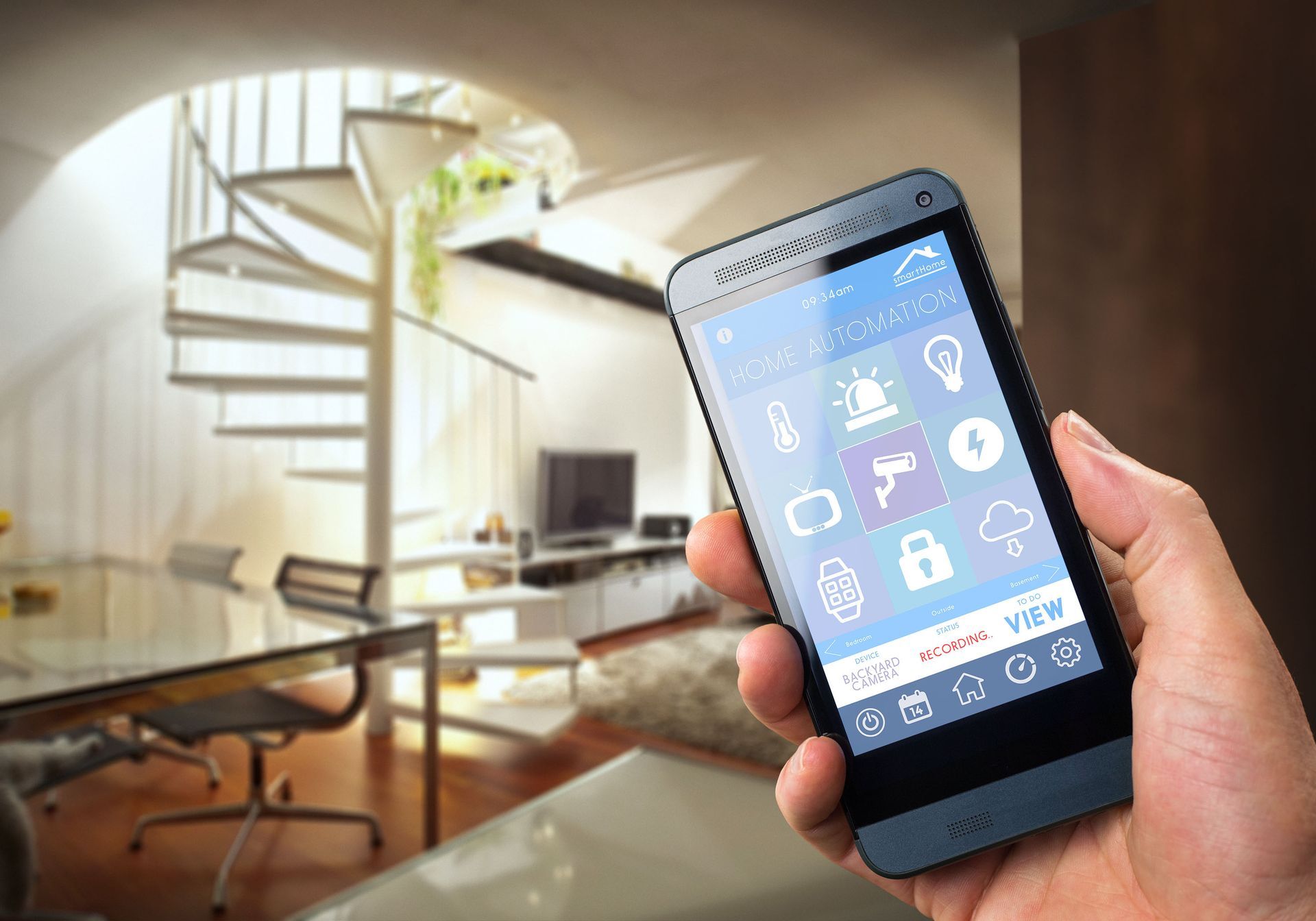
Modern households increasingly rely on connected devices for lighting, climate control, appliances, entertainment, access, and other everyday functions. Security technology can become part of this connected environment, allowing different devices to work together. For instance, certain systems may coordinate cameras, smart locks, motion sensors, lights, and mobile notifications through a central platform.
Without a coordinated system, homeowners may end up using several unrelated applications and devices that do not communicate effectively. This fragmented setup can make monitoring more complicated and may result in overlooked notifications or inconsistent settings. Compatibility should therefore be evaluated before purchasing smart-home equipment. Choosing products that work together can simplify management while reducing unnecessary technology clutter.
Cybersecurity is also important when connecting multiple devices. Routers should be secured, default passwords should be changed, and firmware should be updated when manufacturers release security improvements. Homeowners should carefully review device permissions and disable features they do not need. Security system installation should account for both physical equipment placement and the safe configuration of connected technology.
Living without a home security system can affect crime exposure, finances, privacy, daily routines, technology use, and a household's overall sense of safety. Although security equipment cannot eliminate every possible risk, it can provide deterrence, faster awareness, remote monitoring, and greater control over the home environment. By comparing available options and considering the specific needs of the property, homeowners can determine which protective measures offer an appropriate balance of affordability, convenience, and long-term security. Contact our team at S.O.S. Security, LLC today and learn more about our security system services.